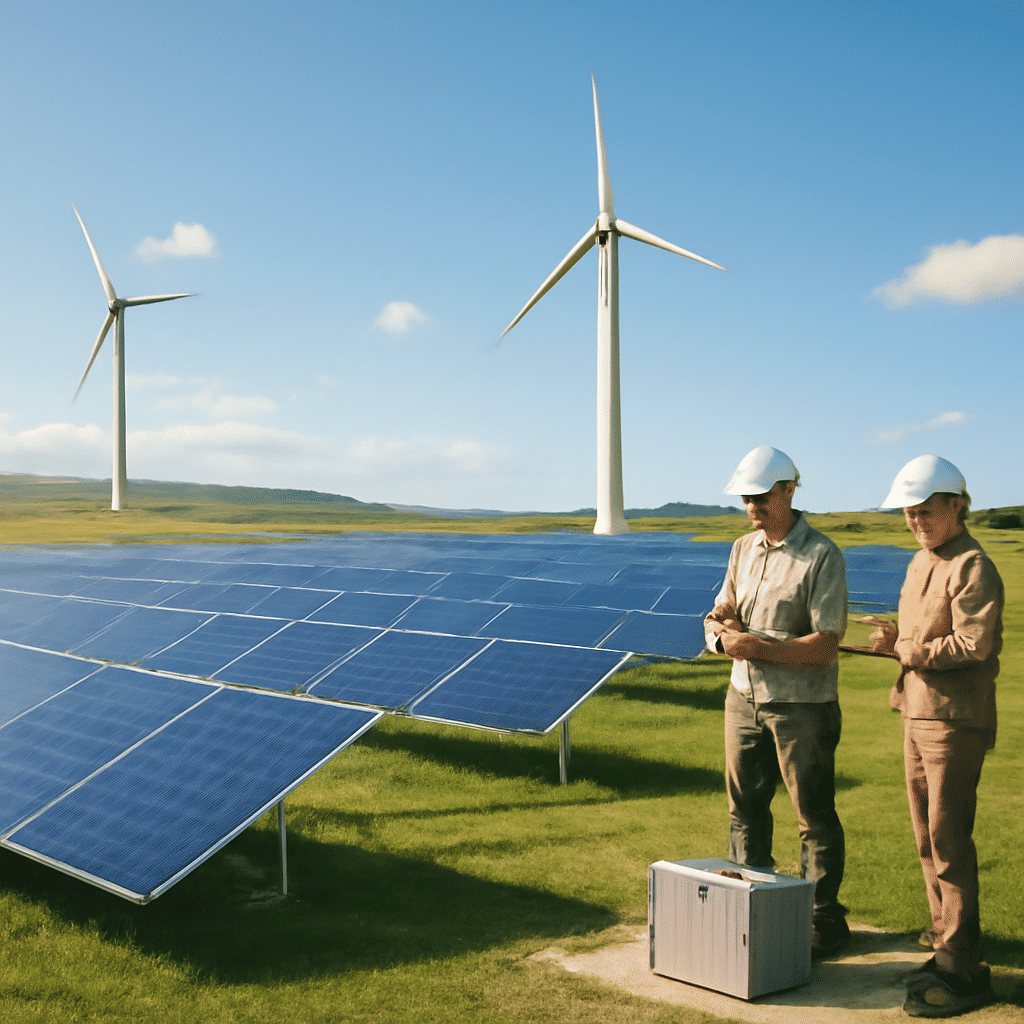
As the global community becomes increasingly aware of the environmental, economic, and social impacts of climate change, renewable energy emerges as a pivotal element in mitigating these challenges and propelling the world toward a more sustainable future. Technological advancements, policy innovations, and growing public support are combining to reshape the landscape of energy as we know it.
Renewable energy sources, including solar, wind, hydroelectric, geothermal, and biomass, are at the forefront of this transformation. Each has unique advantages, and advancements in technology continue to make them more efficient, affordable, and accessible.
Solar energy is perhaps the most recognized form of renewable energy, with photovoltaic (PV) cells converting sunlight directly into electricity. Recent advancements have significantly increased the efficiency and reduced the cost of solar panels. Innovations like bifacial panels, which capture sunlight on both sides, and perovskite solar cells, known for their high efficiency and low production cost, are broadening the reach of solar energy.
Wind energy has similarly seen substantial innovation. The development of larger and more efficient turbines, particularly offshore wind farms, has unlocked new potential for energy generation. Floating wind turbines, which can be placed in deeper waters than traditional turbines, tap into stronger and more consistent wind patterns, expanding the geographical viability of wind energy.
Hydroelectric energy, one of the most established renewable sources, is also evolving. Small-scale hydro projects, which have less environmental impact than large dams, are gaining traction. Moreover, innovations like hydrokinetic turbines, which harness the energy of flowing water without the need for large infrastructure, are proving valuable in remote or ecologically sensitive areas.
Geothermal energy, derived from the Earth's internal heat, is increasingly used for electricity generation and direct heating applications. Enhanced geothermal systems, which create artificial reservoirs in the Earth's crust, are expanding the potential of geothermal power by allowing energy production in a wider range of locations.
Biomass energy, which involves the conversion of organic materials into electricity, heat, or biofuels, is becoming more efficient due to improved processing technologies. The development of advanced biofuels, such as algae-based fuels, holds promise for creating sustainable alternatives to fossil fuels for transportation.
The integration of these renewable energy sources into the global energy grid presents both challenges and opportunities. Energy storage technology, crucial for addressing the intermittent nature of sources like solar and wind, is advancing rapidly. Battery storage systems, such as lithium-ion and emerging alternatives like solid-state batteries, are vital for maintaining a stable and reliable energy supply.
Moreover, smart grid technology is transforming the way energy is distributed and consumed. These digital grids allow for real-time monitoring and management of energy flow, improving efficiency and integrating a diverse array of energy sources smoothly.
Governments worldwide are playing a crucial role in accelerating the adoption of renewable energy through policies and incentives. Policies like feed-in tariffs, tax credits, and renewable energy mandates create favorable market conditions. International agreements and partnerships are also fostering global collaboration in clean energy innovation.
Yet, the transition to a renewable energy-dominated world is not solely the domain of governments and large corporations. Grassroots movements and local communities are increasingly driving the shift, installing community-owned renewable energy projects that generate local economic benefits and engage citizens directly in sustainability efforts.
The future of renewable energy is not without its challenges. Issues such as resource availability, environmental considerations, and the need for substantial investment remain. However, the momentum is unmistakable and growing. With continued innovation, strategic policymaking, and global cooperation, renewable energy sources will undoubtedly form the backbone of a sustainable world for generations to come.